
Courseware for the Fifth Industrial Revolution
Learn to build, fund and own what comes next.
Sixteen course texts on innovation, company building, venture capital, public capital, policy and applied AI. Each has interactive labs, scored knowledge checks, an instructor edition and a print edition. They stand alone, and they assemble into a certificate, a minor, a major and a master's program.
- 16
- course texts
- 199
- lessons
- 199
- interactive labs
- 770
- knowledge-check questions
Who it is for
Individual learners
Study on your own schedule and finish with work you can show.
How it worksAssociations and member organizations
A private cohort for your members, in your colors, with your name beside ours on the certificate.
How it worksColleges and universities
Sixteen course texts that assemble into a certificate, a minor, a major and a master's program. Your institution awards the credit.
How it worksCommunity and technical colleges
Credit courses, and shorter noncredit certificates for working adults.
How it worksSchools, employers, cities and states
Single courses and private-label programs for teams and communities.
How it worksHow it assembles
Every course stands alone. Together they build toward four credentials. The full catalog lists the courses and credits in each.
Step 1
Individual courses
Sixteen course texts. Take one, or adopt one.
Step 2
Stand-alone certificates
Professional certificates earned through a single course.
Step 3
The minor
Six courses and three lab terms. 18 credits, open to any major.
Step 4
The major
48 major credits within a 120-credit bachelor's degree.
Step 5
The master's
33 credits. Twelve months full time or 21 months executive format.
The courses
Course numbers are suggested. An adopting institution sets its own numbers and credit.
The core
Four texts every program begins with.
FIR 201
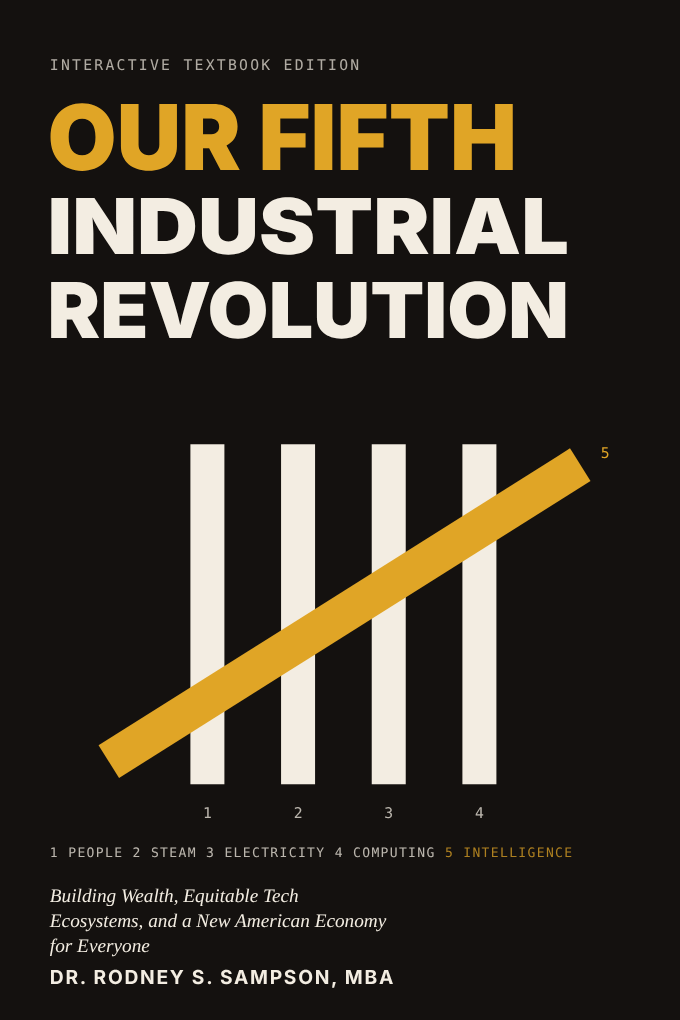
Our Fifth Industrial Revolution
Building Wealth, Equitable Tech Ecosystems, and a New American Economy for Everyone
FIR 320 · 630
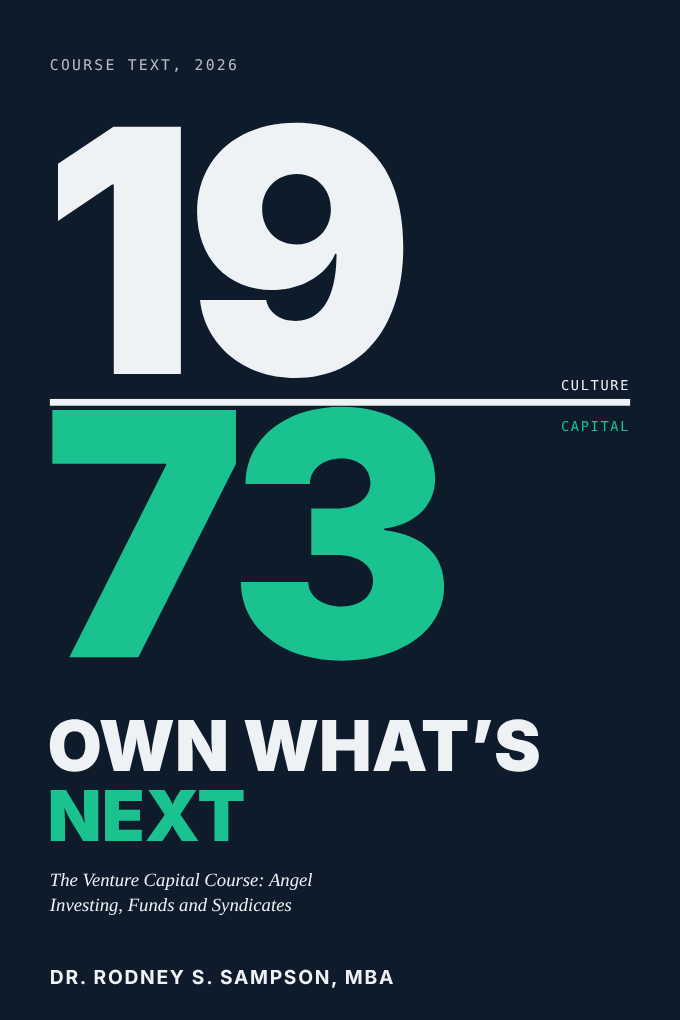
Own What's Next
The Venture Capital Course: Angel Investing, Funds and Syndicates
FIR 310 · 620
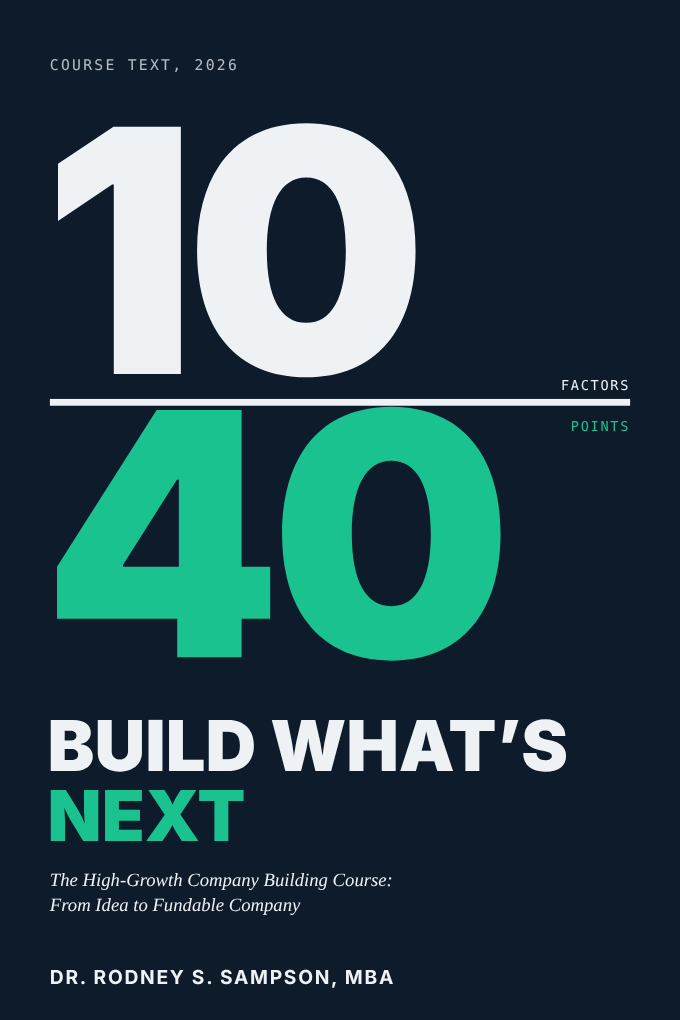
Build What's Next
The High-Growth Company Building Course: From Idea to Fundable Company
FIR 360
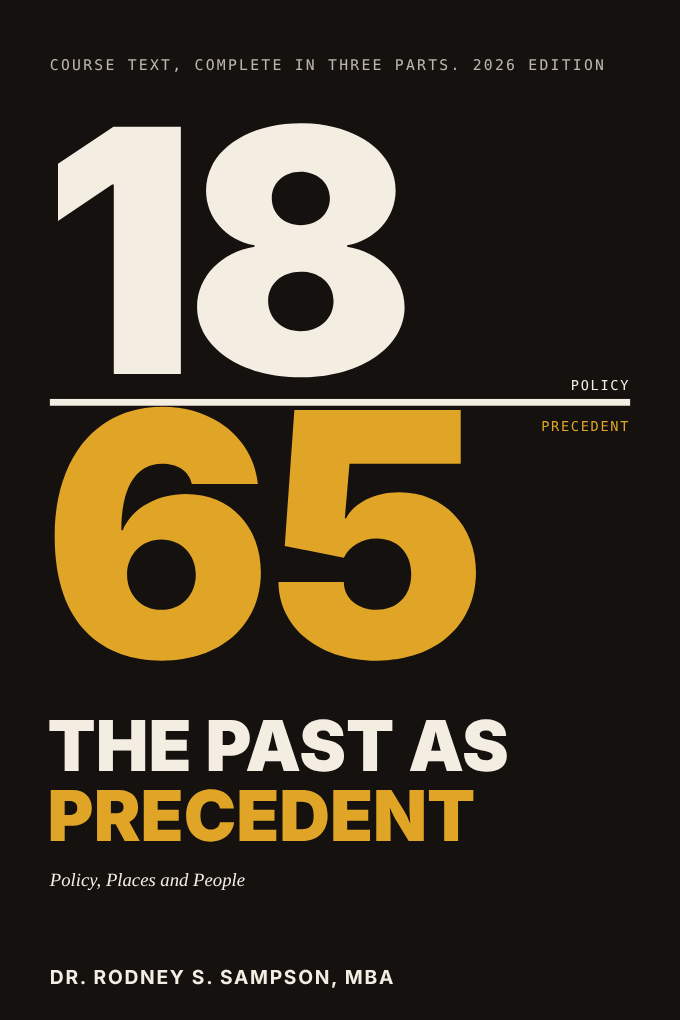
The Past as Precedent
Policy, places and people: the history beneath the program.
For founders and investors
Modeling, law, raising capital and judging a deal.
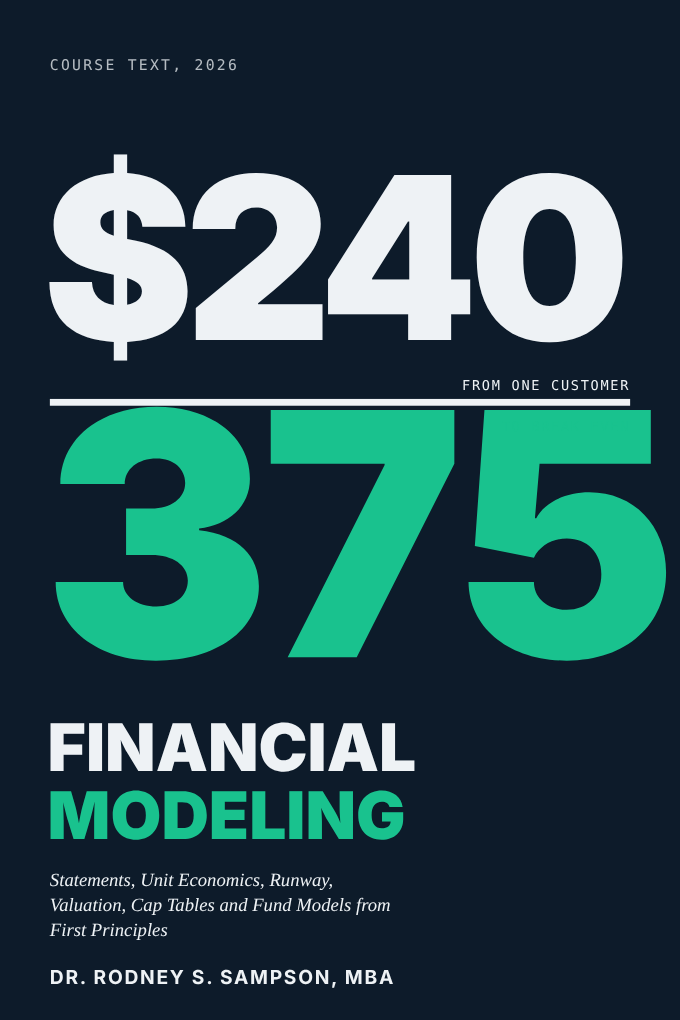
FIR 220
Financial Modeling for Founders and Investors
Statements, Unit Economics, Runway, Valuation, Cap Tables and Fund Models from First Principles
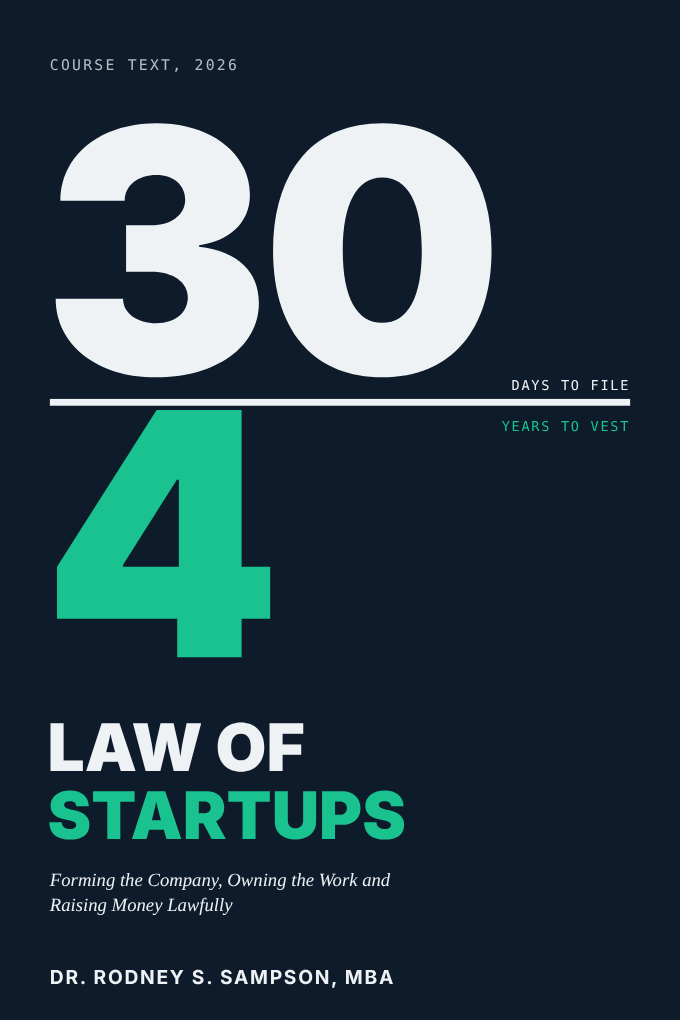
FIR 230
Law of Startups, Securities and Intellectual Property
Forming the Company, Owning the Work and Raising Money Lawfully
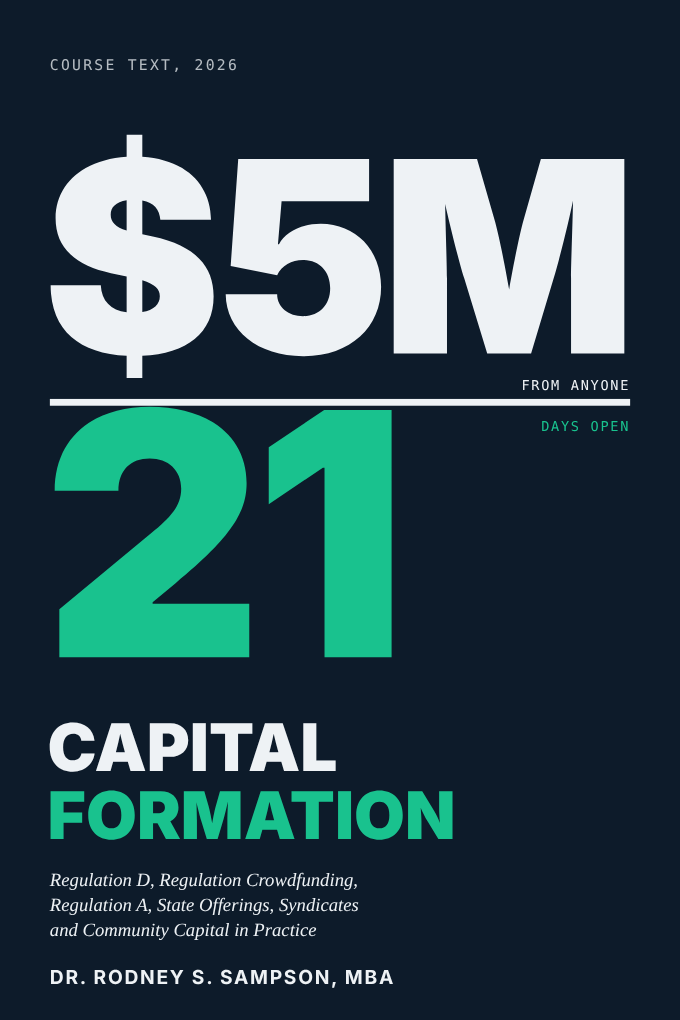
FIR 340
Capital Formation and the JOBS Act
Regulation D, Regulation Crowdfunding, Regulation A, State Offerings, Syndicates and Community Capital in Practice
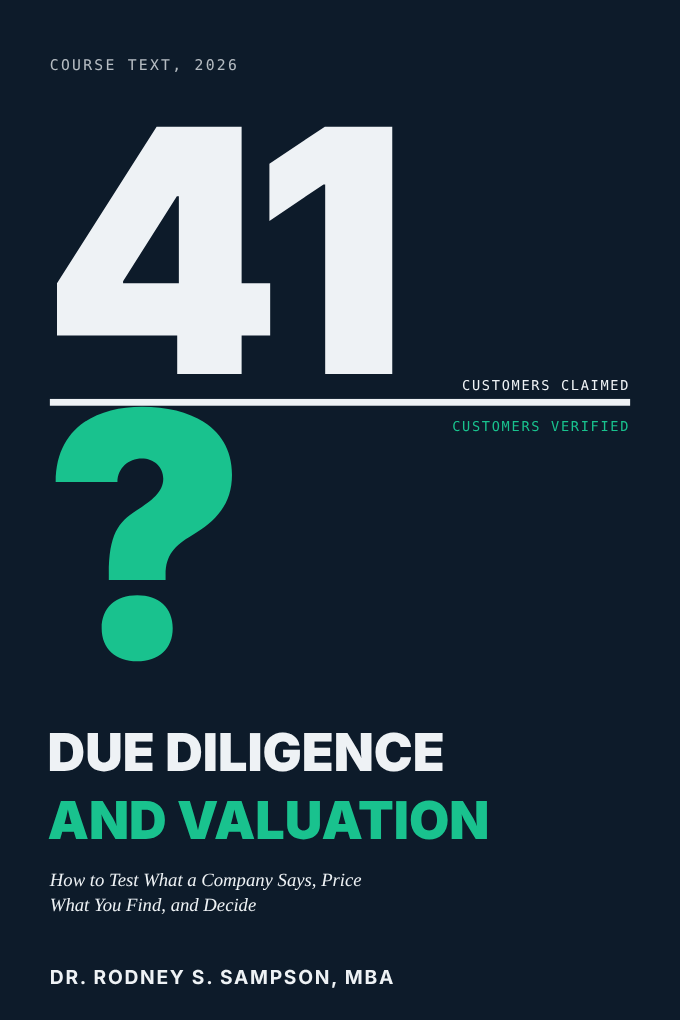
FIR 382
Due Diligence and Valuation
How to Test What a Company Says, Price What You Find, and Decide
Capital, places and policy
Funds, public programs, districts and the rules that govern them.
FIR 381 · 640
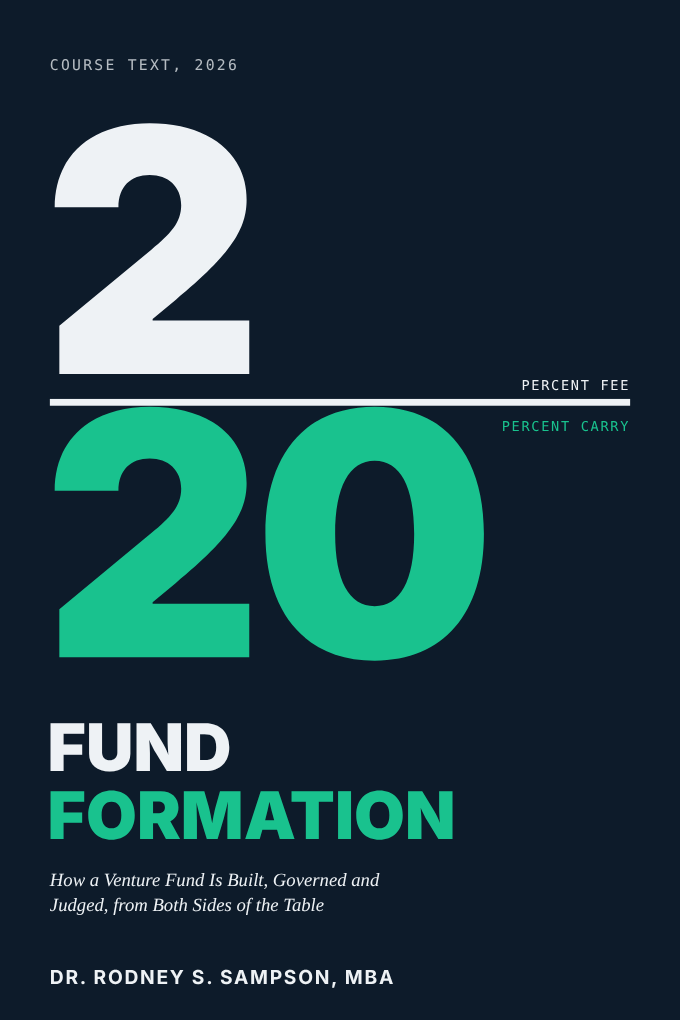
Fund Formation and Limited Partner Investing
How a Venture Fund Is Built, Governed and Judged, from Both Sides of the Table
FIR 383 · 670
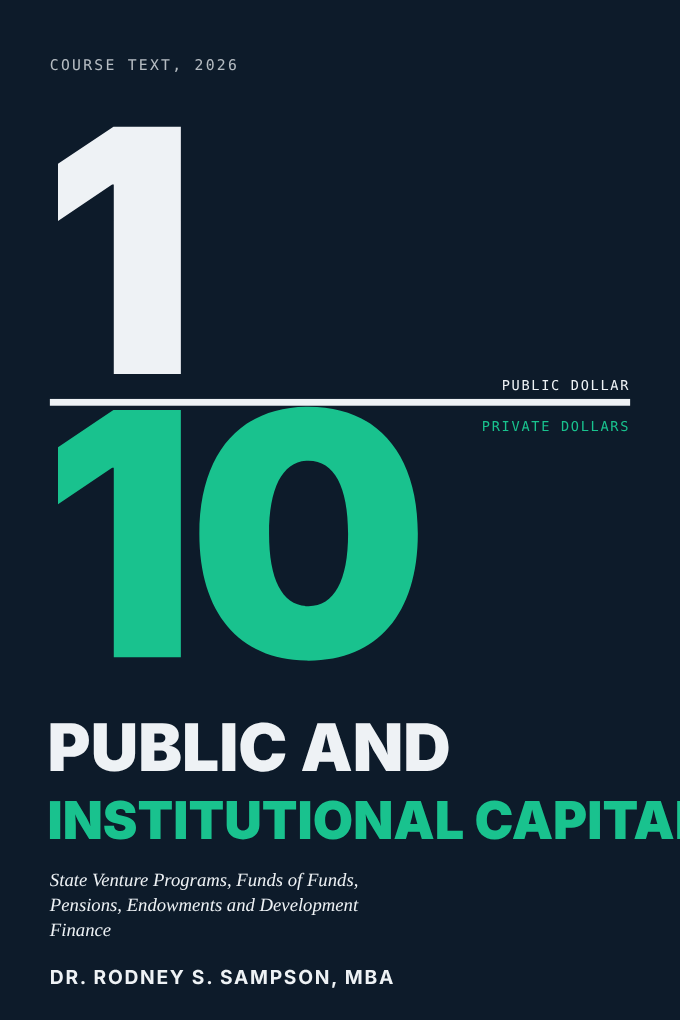
Public and Institutional Capital
State Venture Programs, Funds of Funds, Pensions, Endowments and Development Finance
FIR 391 · 660
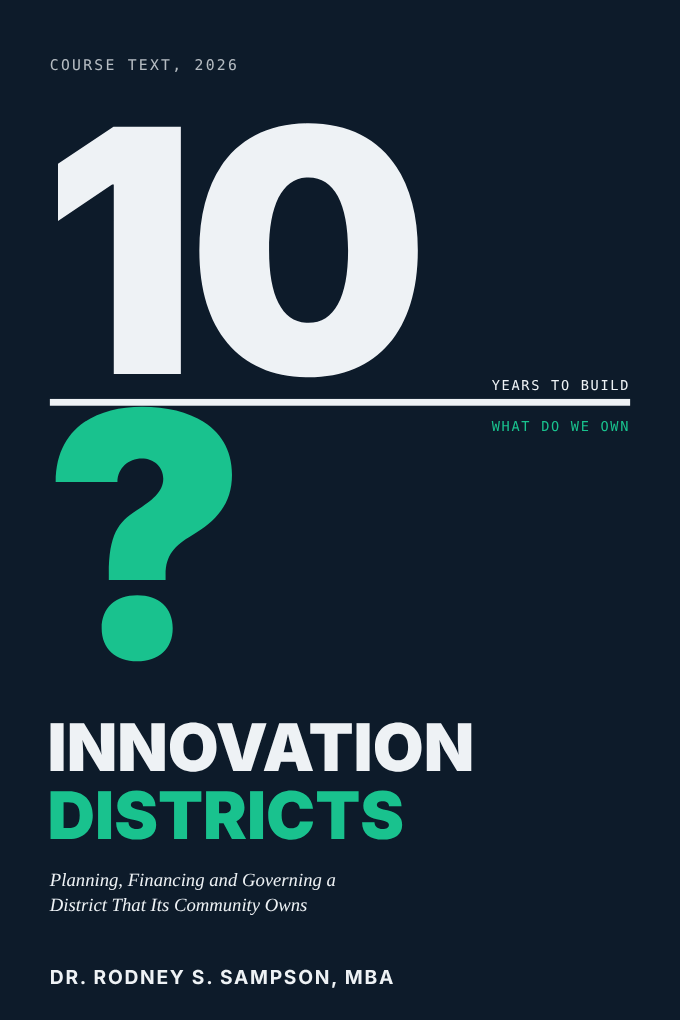
Innovation District Development
Planning, Financing and Governing a District That Its Community Owns
FIR 650
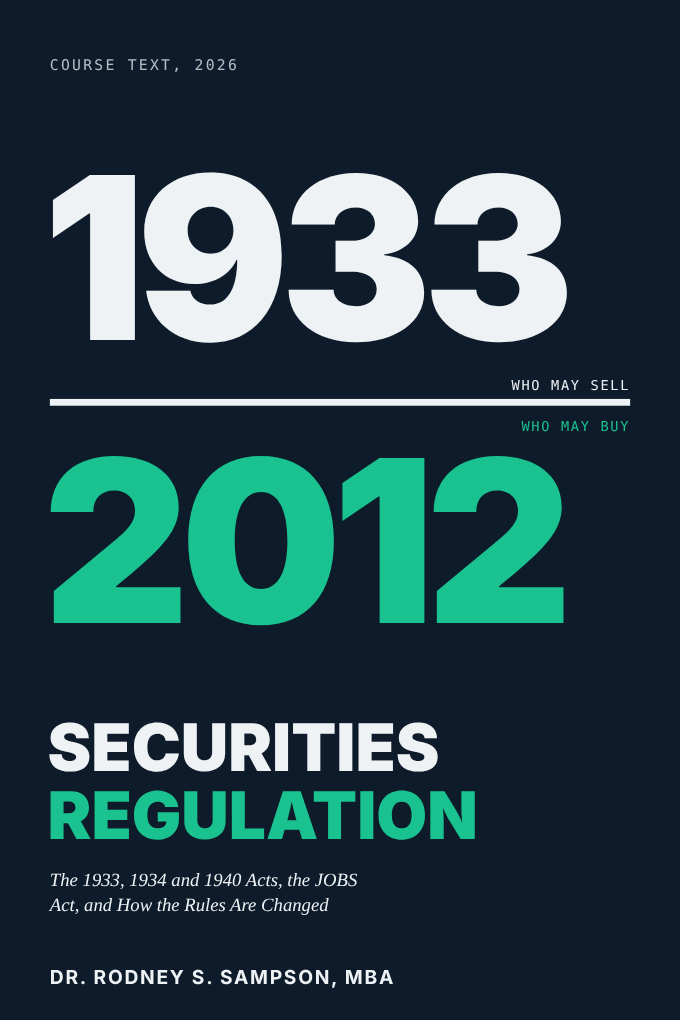
Securities Regulation and Capital Formation Policy
The 1933, 1934 and 1940 Acts, the JOBS Act, and How the Rules Are Changed
FIR 350
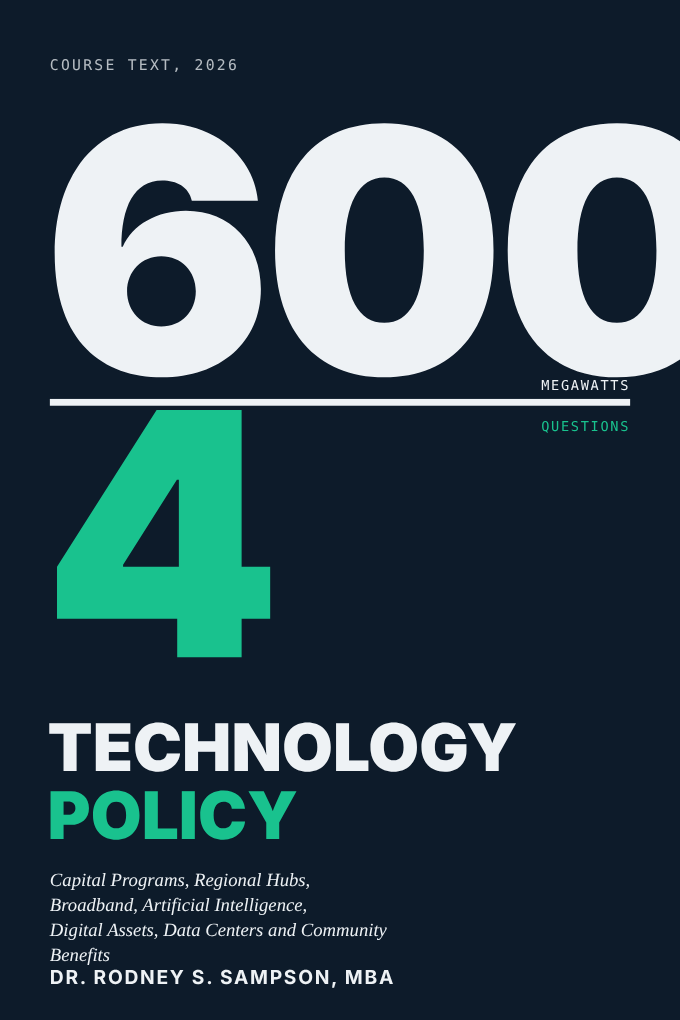
Technology Policy and Infrastructure
Capital Programs, Regional Hubs, Broadband, Artificial Intelligence, Digital Assets, Data Centers and Community Benefits
AI and edge technology
Building with models, devices and data, responsibly.
FIR 371
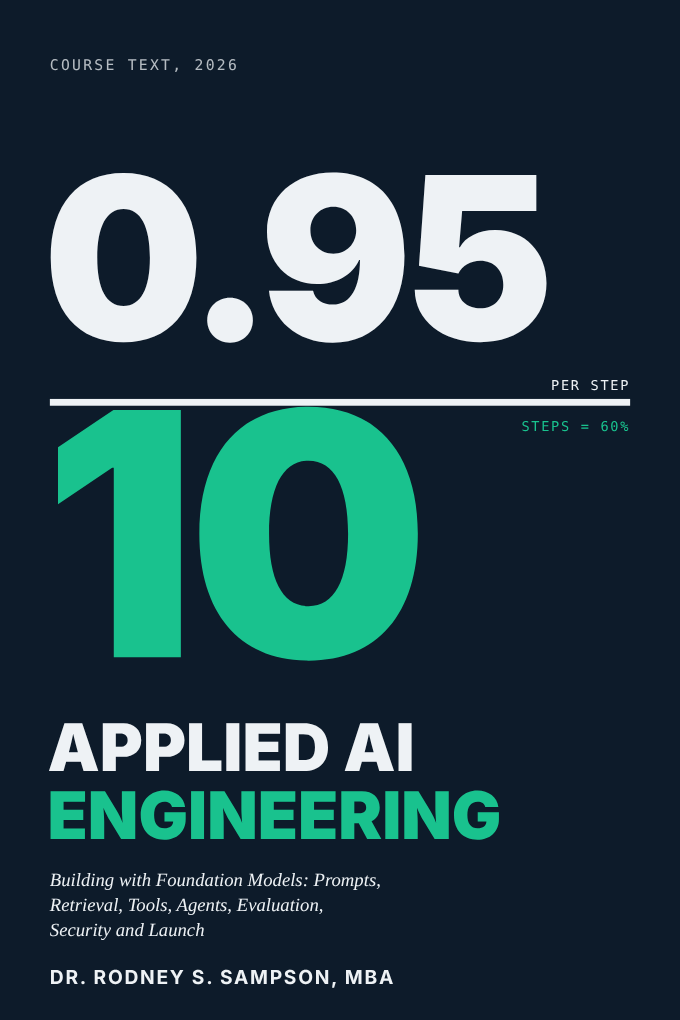
Applied AI Engineering
Building with Foundation Models: Prompts, Retrieval, Tools, Agents, Evaluation, Security and Launch
FIR 372
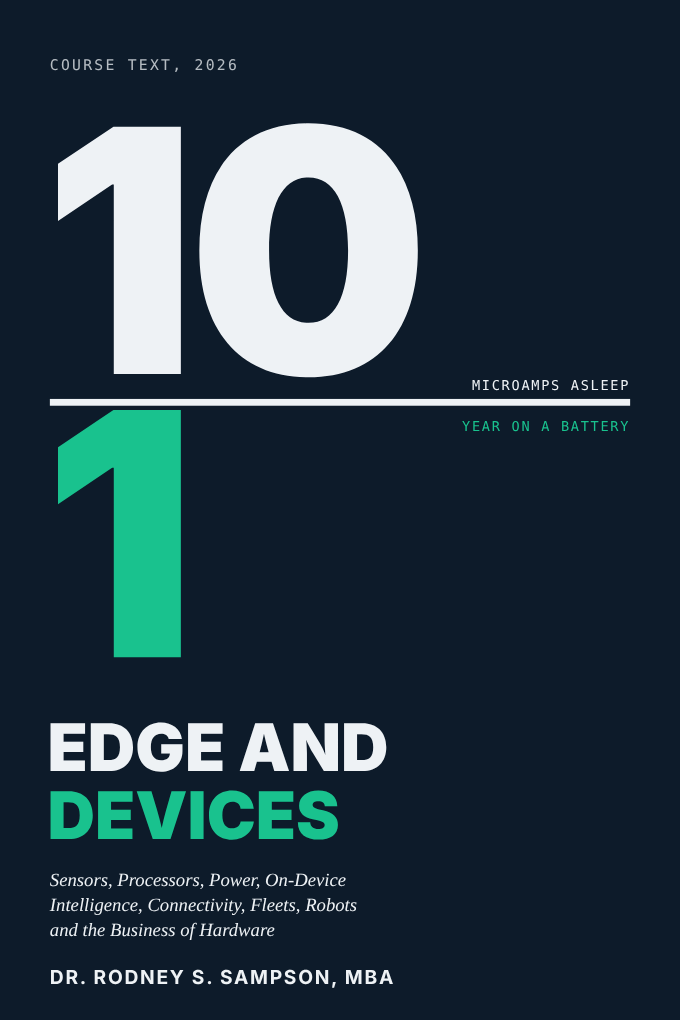
Edge Computing, Devices and Robotics
Sensors, Processors, Power, On-Device Intelligence, Connectivity, Fleets, Robots and the Business of Hardware
FIR 373
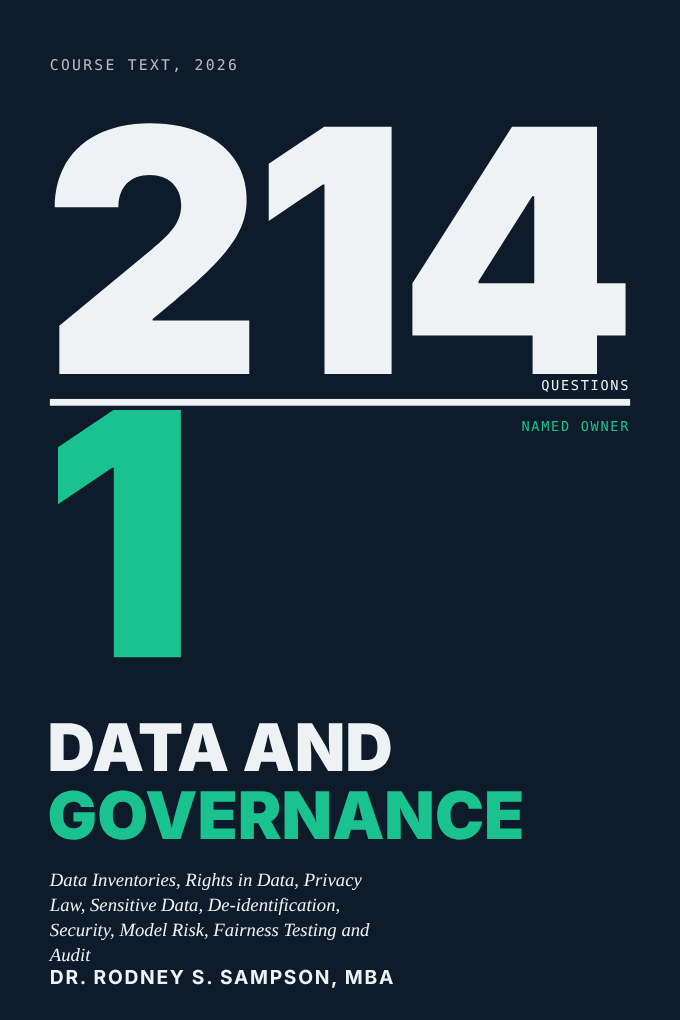
Data, Models and Governance
Data Inventories, Rights in Data, Privacy Law, Sensitive Data, De-identification, Security, Model Risk, Fairness Testing and Audit
Units and handbooks
Included with a program licence.
- The Policy FrameworksA unit for the policy courses
- Sample Data Room and Ten-Slide Pitch TemplateSixteen sample documents and two room indexes
- Where to BuildSeventeen growth arenas and a worksheet
- Money Basics and the RegulatorsA foundation for students new to investing
- AI Workforce and Startup Lab HandbookFIR 190L, 290L, 390L
- Venture Studio and Student-Managed Fund HandbookFIR 490, 491
- Policy Lab HandbookFIR 393
- Practicum and Residency HandbookFIR 605, 690, 691
- Seminar ReaderFIR 601
What every course includes
For the student
A full chapter for each lesson, a summary, key terms, an interactive lab, a scored knowledge check and three pieces of work: an assignment, fieldwork and a discussion.
For the instructor
A session plan, slides, a test bank with answers, rubrics and pacing guides for a semester, a half term, a professional cohort and a one-day workshop.
For the institution
A learning-system package, print-ready PDFs, and your colors as the default for every student. Every course, lab and activity is open to all enrolled students.
Contested questions of policy are presented with the case on each side. Students are graded on accuracy and fairness, never on the position they take.
Where this comes from
Built from nearly thirty years of doing the work.
OHUB Education was inspired by Drs. Rodney and Shanterria Sampson's nearly 30-year career as innovators, technology founders with exits, company operators, angel investors, venture capitalists, limited partners and pioneering ecosystem builders in America's technology, startup and venture ecosystem.
It also grows from Opportunity Hub's (OHUB) mission and work of more than 13 years. That mission is to ensure that everyone, everywhere has opportunities to build new multi-generational wealth, with no reliance on pre-existing multi-generational wealth, in the fifth industrial revolution and beyond.
In your colors
Every page of the courseware can be set to two colors of your choosing: a school's, an organization's, or your own. Text shades are adjusted automatically so the page stays readable. Institutions and associations can make their colors the default for all of their learners.